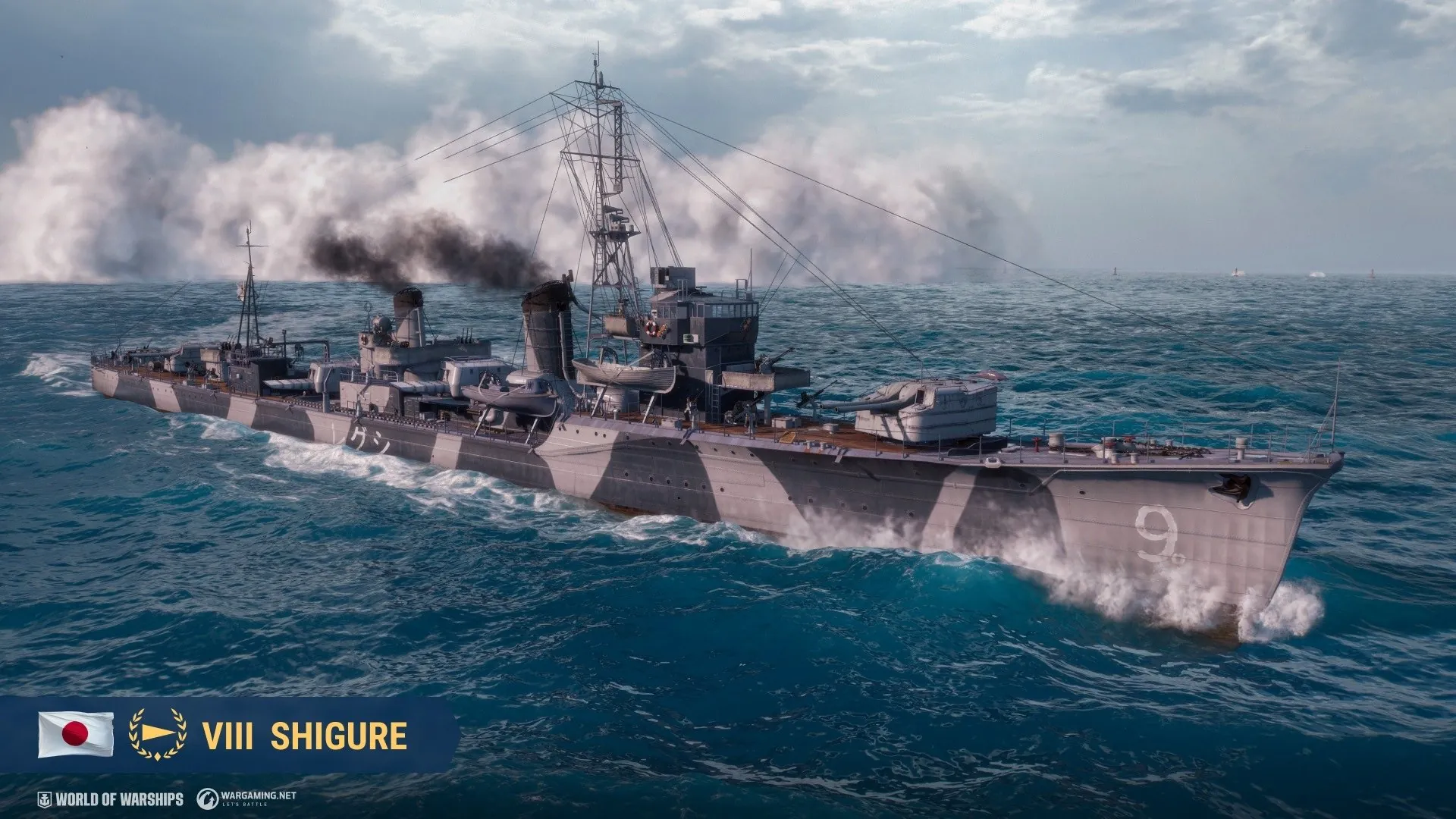
If you have not picked a line yet, see best ships for beginners. For the skills mentioned here, see commander skills. All guides: World of Warships hub.
Detection: the most important number on your ship
Every ship has a surface detection range: the distance at which enemies can see it. Destroyers have the shortest. If your detection range is shorter than an enemy's, you can see him before he sees you, as long as you are the one spotting. That is the whole game for a destroyer.
Three things change your detection. Firing your main guns raises it sharply for about twenty seconds, which is why destroyers that shoot early get spotted and focused. Being on fire makes you easier to see. And very close range spots any ship regardless of smoke or islands. Torpedoes, on the other hand, do not reveal you when you launch them, so a hidden destroyer can torpedo safely.
Your skill and upgrade choices should start with concealment. Concealment Expert, covered in our commander skills guide, is the first 4 point skill almost every destroyer takes.
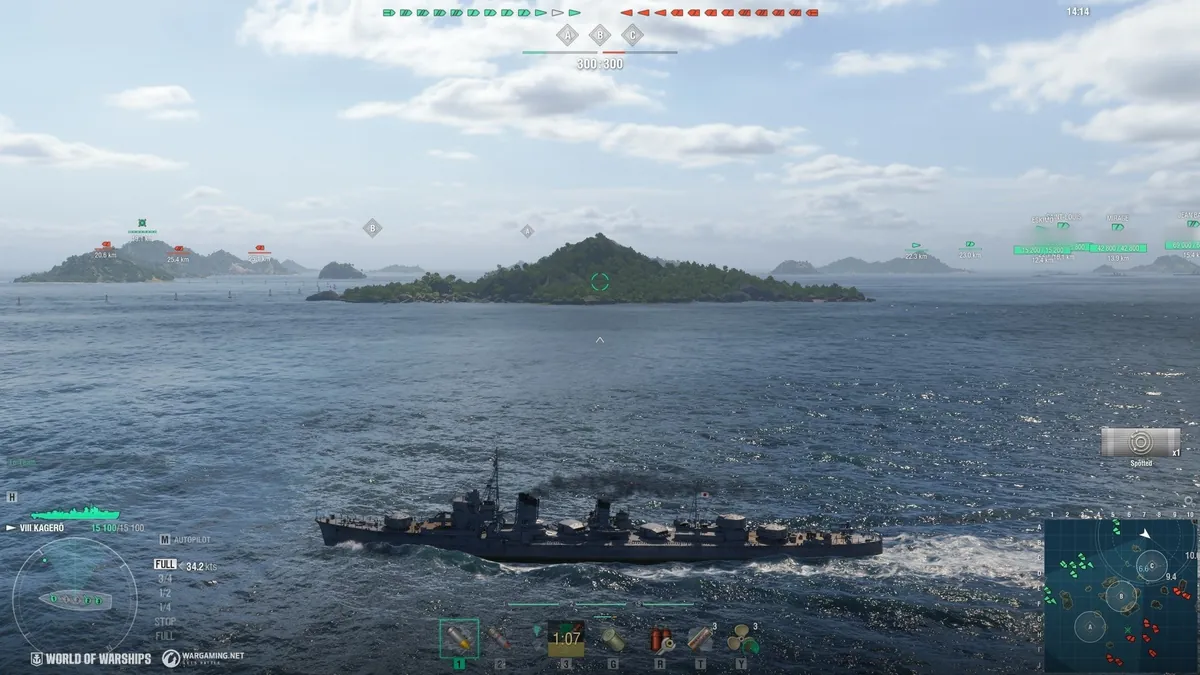
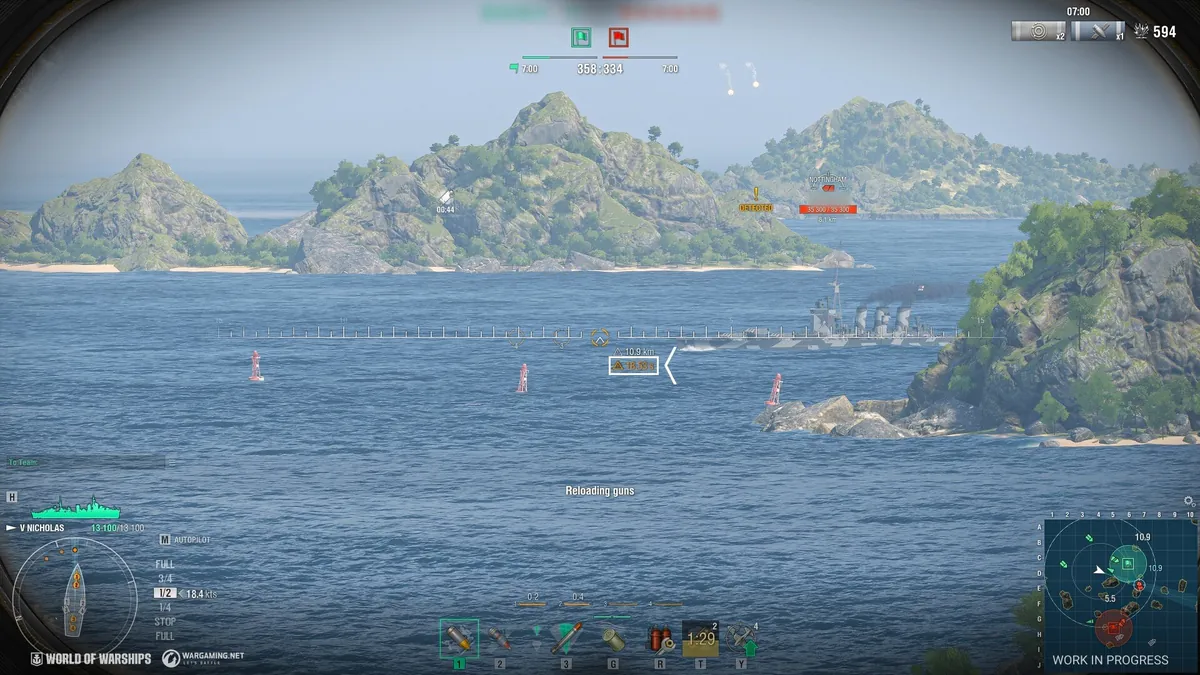
Spotting: the job nobody thanks you for
When you see an enemy ship, your whole team sees it and can shoot it. That is spotting, and it earns XP and credits on its own. A destroyer that sits just inside spotting range of the enemy battleships, without firing, can deliver more value than one that fires its guns and dies. Two habits:
- Spot, do not shoot, when your team has guns on the target and you would reveal yourself by firing.
- Spot enemy destroyers first. An enemy destroyer that is spotted can be shot by your cruisers. One that is not can cap and torpedo freely.
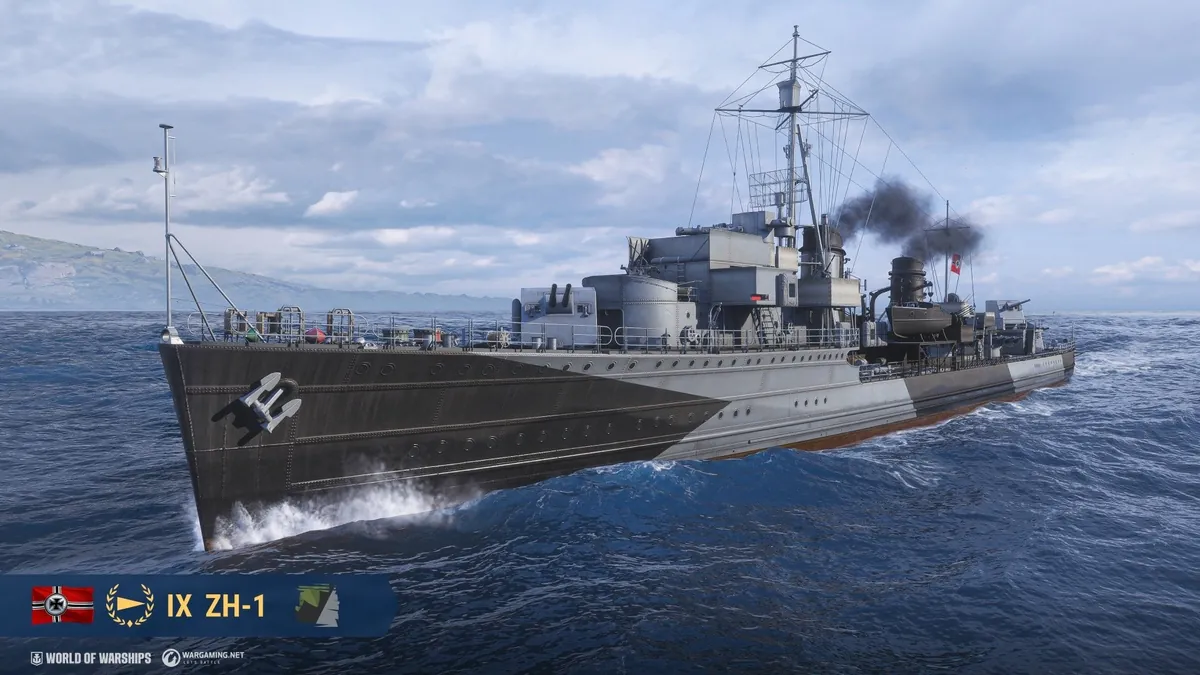
Smoke screens
Many destroyers carry a smoke generator. Inside your smoke, you cannot be seen beyond very short range, so you can fire without being shot back at, and allies can hide in it too. The catch: firing from smoke still raises your detection a little, so enemies very close can see you, and radar and hydro find you through it.
- Smoke to escape, not to start a fight. When you get spotted and focused, smoke and turn away.
- Smoke for allies when a cruiser near you is being focused. A smoke for a teammate can win a flank.
- Never sit in smoke near a radar cruiser. Check the enemy team list for radar ships before you commit.
- Keep moving in smoke if torpedoes are likely. Enemies fire spreads into smoke on purpose.
Not every destroyer has smoke. The Pan-American destroyers, which joined the tech tree in Update 15.9, have none and rely on a strong Repair Party and AP only guns instead.
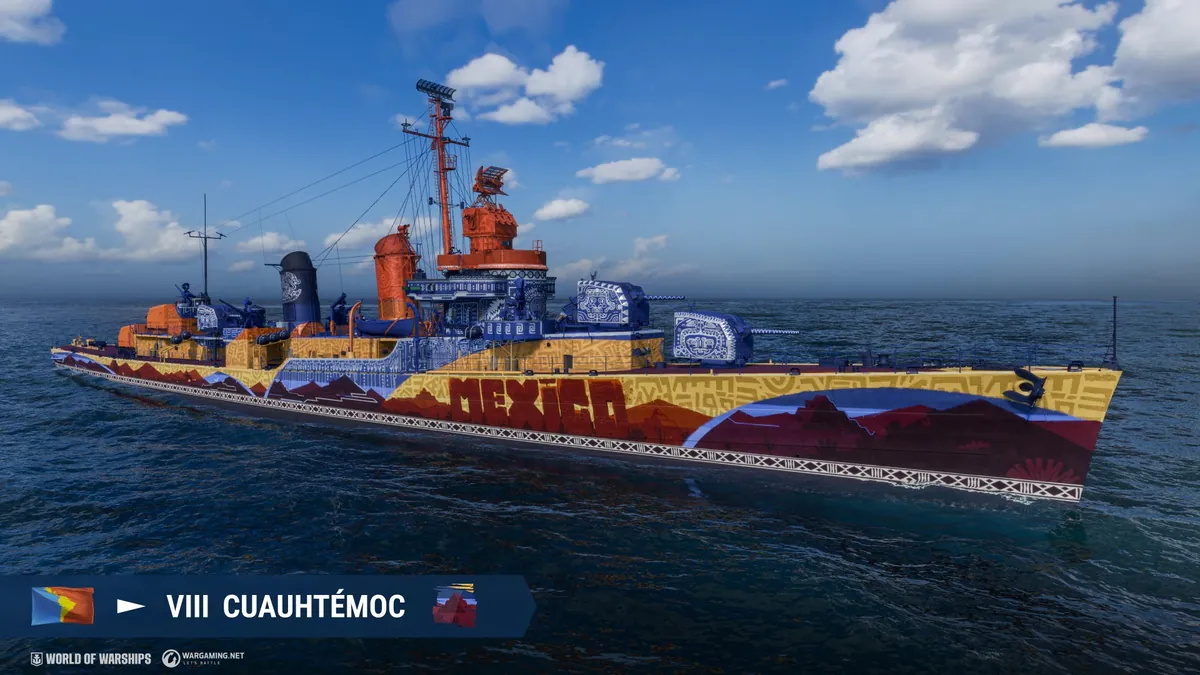
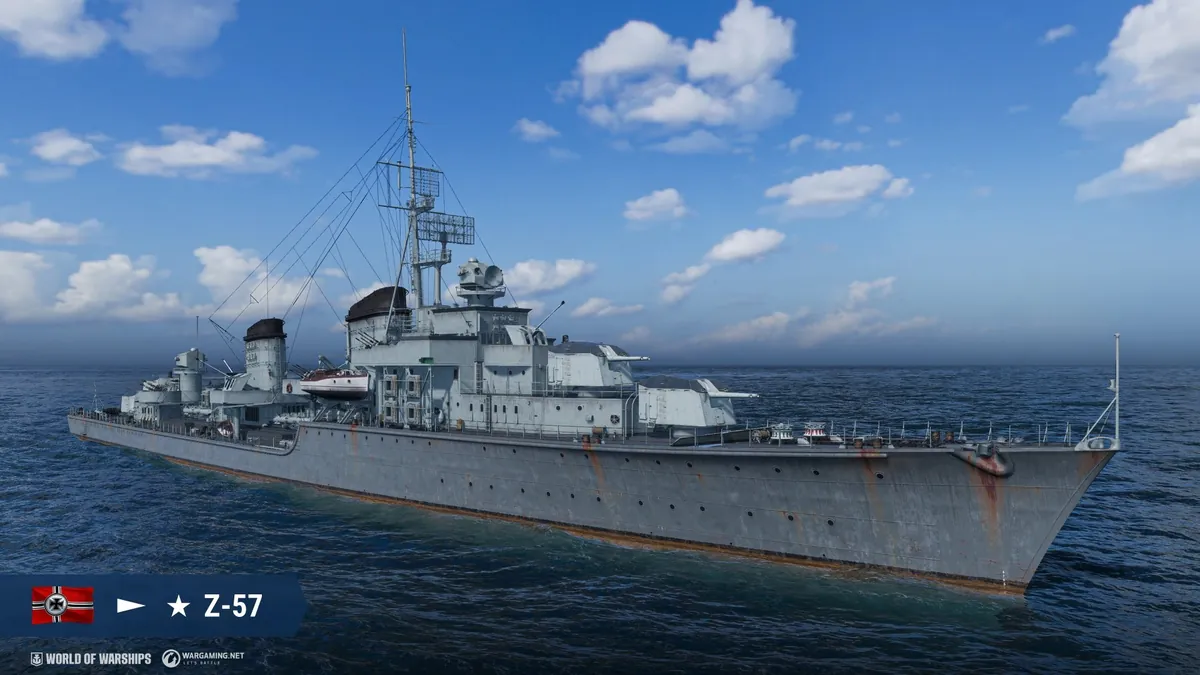
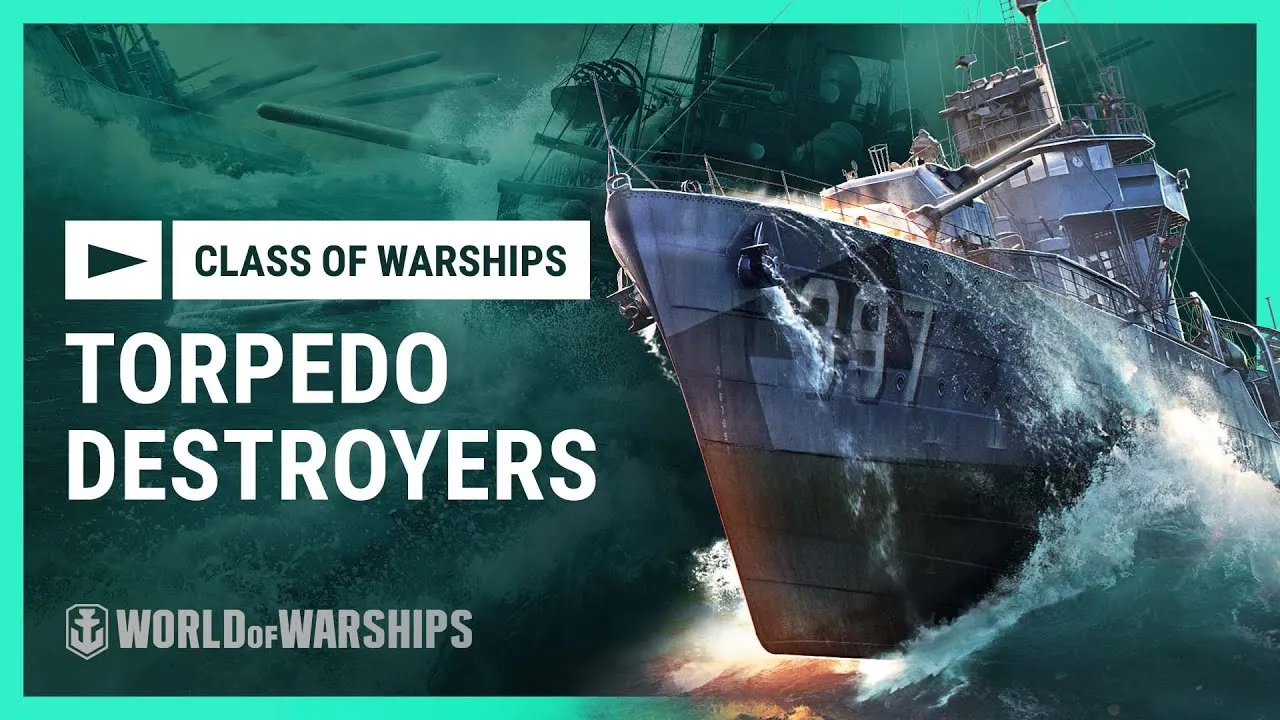 How to Play: Torpedo Destroyers (official World of Warships channel)
Torpedoes
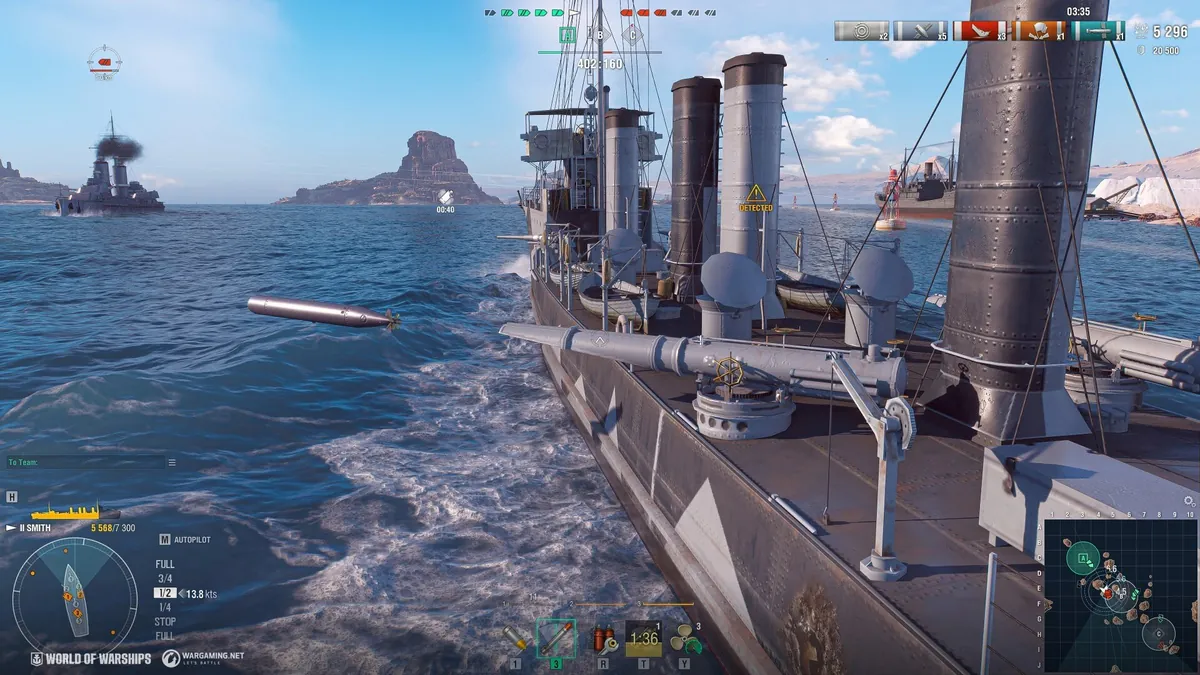
Torpedoes are slow but devastating: a few hits sink cruisers and cripple battleships, and torpedo hits cause flooding. They also give the target time to react once they are spotted, so the trick is to launch them where the target cannot dodge:
- Lead with the torpedo marker, then spread slightly ahead, because players tend to turn or slow down when they see torpedoes.
- Aim at targets that are committed: turning, firing broadside, or sailing along an island they cannot turn into.
- Launch from inside your detection range and leave. Torpedoes do not reveal you.
- Torpedo the path, not the ship, when several enemies sail in line toward a key area.
- Never launch through allies. Team damage costs you credits and can get you penalised.
Hydroacoustic search on enemy ships spots your torpedoes farther away and gives them more time to dodge. Long range torpedoes are easier to see coming than short range ones, so closer launches hit more often.
Capping key areas
In Domination battles, key areas give points over time. Destroyers capture them first, because they arrive first and can hide while doing it. The rules that matter, as the official wiki describes them: capture is faster with more ships in the circle, taking damage cuts your capture progress, and capture stops while ships of both teams are inside.
- Go to a cap your team supports. A cap with your cruisers behind it is a cap you can hold.
- Check for enemy destroyers first. Do not sail into the circle blind; spot the area before you enter.
- Contest even if you cannot take it. Sitting in an enemy cap blocks its progress and buys time.
- Leave when radar is coming. Retake the cap later, when the radar is on cooldown.
- Survive. A destroyer alive in the late game can cap the last points and win a battle the team was losing.
Your first three minutes as a destroyer
- Read the team lists. Count enemy destroyers and radar ships. They decide how hard the caps will be.
- Choose your cap. Go where your cruisers and battleships are heading, not to the empty side.
- Slow down before the cap. Arrive at the edge, spot the area and the enemy destroyer, then decide.
- Do not fire first unless you can win the gun duel. Let your team shoot what you spot.
- Keep your smoke for when you get spotted. Using it too early leaves you with nothing when the enemy cruisers arrive.
Most destroyer losses in the first three minutes come from steps 3 and 5: rushing into the circle and wasting smoke. Get these right and you will survive long enough to matter.
Gunboats and torpedo boats
Destroyers fall into two broad types. Torpedo boats, such as the Japanese torpedo line, rely on concealment and torpedoes and avoid gun fights. Gunboats, such as many US, Soviet and Pan-American destroyers, have stronger guns and fight other destroyers directly. Neither is better; they just want different things from a battle. A torpedo boat wants to stay unseen and strike the big ships. A gunboat wants to find the enemy destroyer and sink it, opening the caps for the team.
Radar, hydro and other counters
Surveillance Radar on cruisers (and on the new European battleships from tier VIII) detects ships through smoke and islands within its range for a short time. Hydroacoustic Search works at shorter range, also finds torpedoes, and sees through smoke and islands too. When you see a radar ship on the enemy team, plan your caps around it: wait until it fires its radar elsewhere, or stay outside its range.
Enemy destroyers are the other threat. Gunboats like the Pan-American and Soviet destroyers win most gun duels against torpedo destroyers. If you are in a torpedo boat and a gunboat spots you, smoke or disengage, and let your cruisers handle him.
Radar and hydro are not the end of the world, though. Both have limited duration and long cooldowns. A destroyer that baits a radar out of position, retreats, and comes back when it is on cooldown has won that exchange even without firing a shot.
Playing destroyers against carriers and submarines
Carrier aircraft can spot you from above, so in battles with a carrier your concealment is worth less and smoke matters more. Stay near friendly cruisers whose anti air thins out attacking squadrons, and do not sit alone at the edge of the map. Against submarines, destroyers are the main hunters: their depth charges are one of the best anti submarine weapons, and a destroyer that chases a submarine off a flank protects every battleship behind it.
Destroyer mistakes we see every day
- Firing guns from open water at a battleship and getting focused.
- Sailing into a cap without spotting it first.
- Staying in smoke when an enemy radar cruiser is close.
- Launching every torpedo at maximum range.
- Dying in the first three minutes. A dead destroyer cannot spot, cap or win the late game.
FAQ
How do you play destroyers in World of Warships?
Use your short detection range to spot enemies without being seen, contest key areas with your team's support, and launch torpedoes from inside your concealment.
What is the best destroyer line for beginners?
The US destroyers. They have good guns and decent torpedoes, so they can both fight other destroyers and threaten big ships.
Does launching torpedoes reveal your destroyer?
No. Firing main guns raises your detection, but launching torpedoes does not.
How do I deal with radar as a destroyer?
Check which enemy ships carry radar, stay out of their range or wait until they use it, and avoid sitting still in smoke near them.
Should destroyers cap at the start of the battle?
Yes, if the cap is supported by your team. Spot the area first, then enter, and leave if radar or several enemy destroyers arrive.