If you are still choosing what to research, our best tanks for beginners list turns this page into concrete picks. Everything else in the series is linked from the World of Tanks hub.
The five classes in one table
| Class | Main job | Where you usually go | Strength | Weakness |
|---|---|---|---|---|
| Light tank | Spot, scout, harass, finish | Bushes in the middle, open flanks, late game flanking | Speed, camouflage, view range | Thin armor, small health pool |
| Medium tank | Flex, flank, support the push | Ridgelines, the medium flank, rotations | Balance of gun, speed and armor | Loses straight trades with heavies |
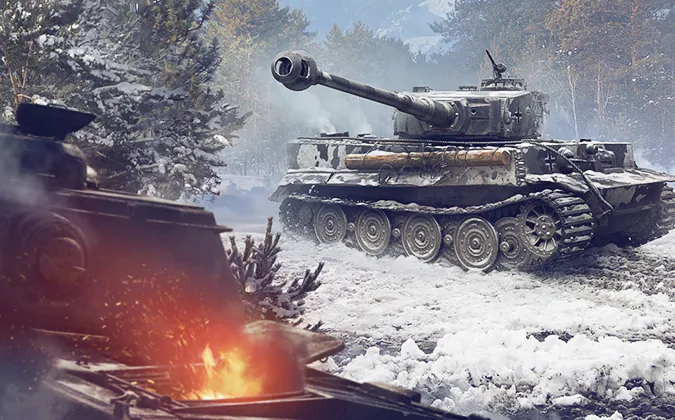
| Heavy tank | Hold and break the main line | City streets, heavy flanks, hull down ridges | Armor, health, damage per shot | Slow, a big target for flanks and SPGs |
| Tank destroyer | Deny lanes, deal damage | Second line cover, long sight lines | Strongest guns for the tier | Limited gun traverse, weak when flanked |
| SPG (artillery) | Indirect fire, stun, punish campers | Back of the map | Hits targets behind cover | Slow aim, poor accuracy, helpless up close |
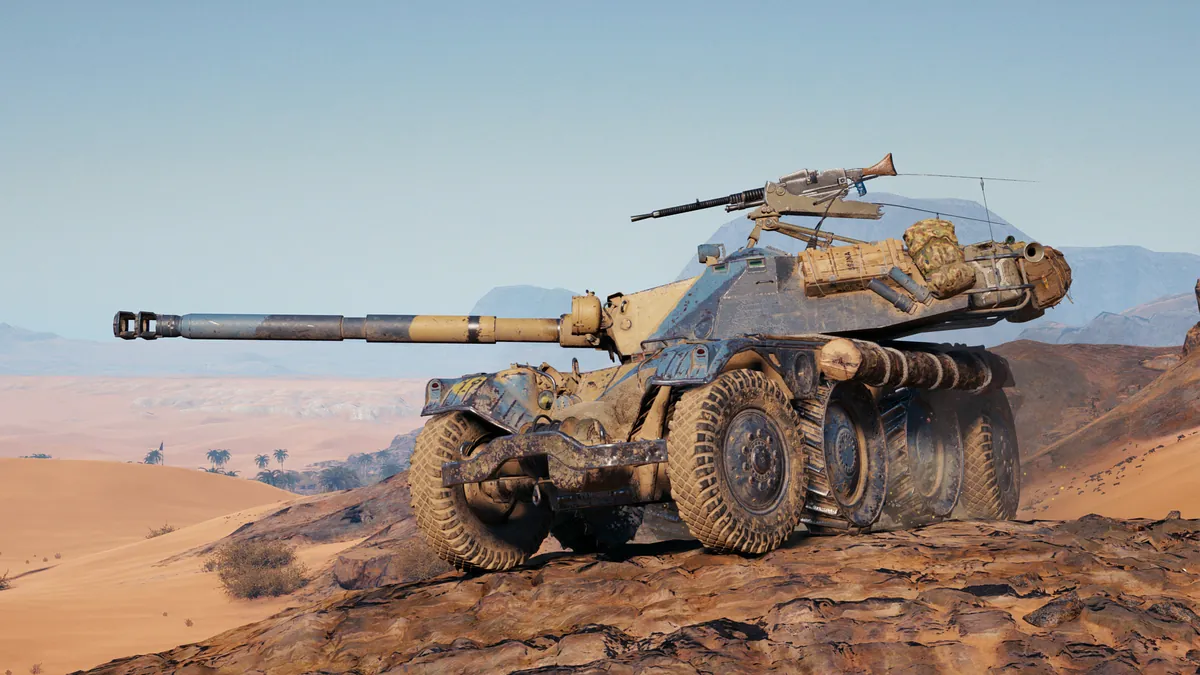
Wheeled vehicles are a special case: they are mostly light tanks (the Fossa VM 68, the tier X reward of the Update 2.4 Personal Missions, is the first German wheeled medium) that move on wheels instead of tracks. They are extremely fast and get their own matchmaker rules.
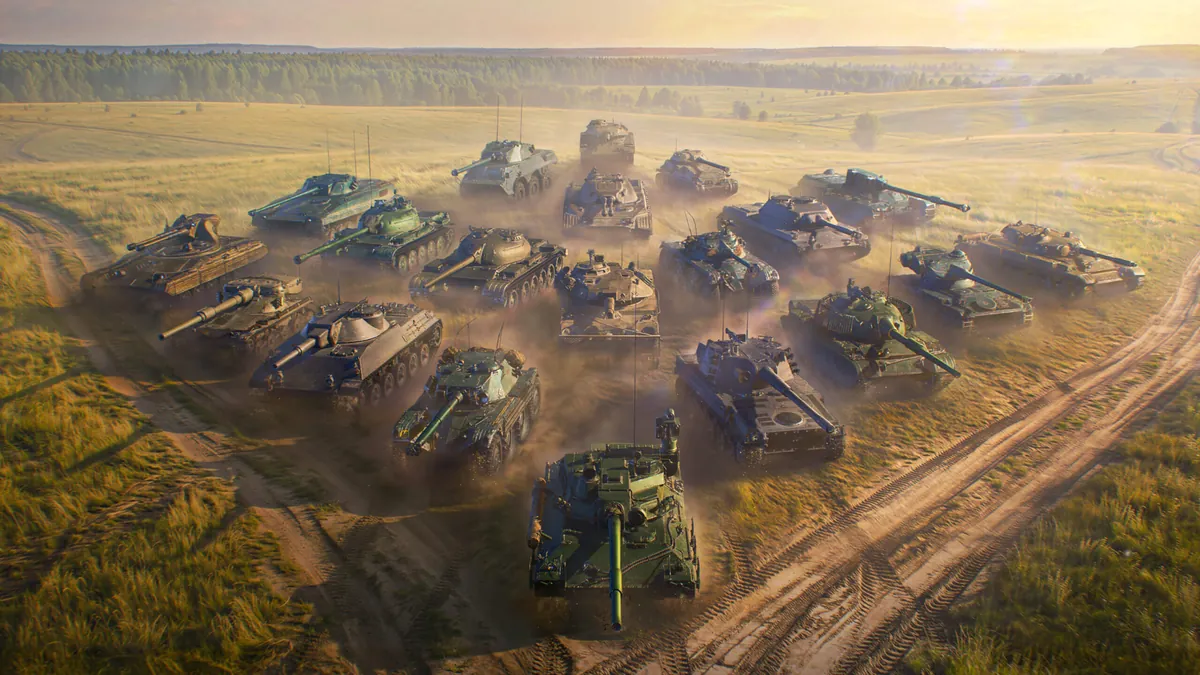
Light tanks and the 2.4 roles
Update 2.4 (September 2026) gave every light tank from tier VI to tier XI one of three roles, shown in the interface. Wargaming describes them like this:
- Scout. Specialists in reconnaissance: small, well hidden, very mobile. Firepower is usually limited, but a good Scout wins games through vision alone.
- Versatile. (Some official texts call it Universal.) Solid spotting with dependable firepower. They will not out spot a Scout or out damage a Support, but they switch between both as the battle changes.
- Support. Trade some concealment for firepower. Bigger and easier to spot, but with strong guns and the mobility to hit weak spots and help a push.
More than 30 light tanks were rebalanced to fit their roles, and each role has its own Field Modification setup, with Scout bonuses pushed toward spotting. Modifications affected by the change were reset with credit compensation.
How to play a light tank
- Know your role. A Scout spots passively from bushes. A Support pushes with mediums and shoots. Do not play a Support like a Scout.
- Spot without being seen. Good view range and camouflage are your weapons. Sit behind a bush, do not fire, let the team shoot.
- Do not die early. A light tank alive at the end, with full speed, captures, resets and kills artillery.
- Relocate between spots. Never drive across open ground in front of the enemy without a reason.
Medium tanks: the flexible middle
Mediums do a bit of everything. They have enough armor to take a stray shot, enough speed to reposition, and guns that hit accurately. Their job is to win a flank, then turn and help elsewhere. Typical spots are ridgelines with good gun depression, the open flank between the heavy fight and the scouting zone, and any position that lets you shoot the side of a tank already busy with someone else.
How to play one: stay with at least one other medium, do not trade shots head on with a heavy, and move after you are spotted. The best mediums win games through timing, arriving at the right flank a few seconds before the enemy does.
The first minute matters most. Drive to a spot where you can see how the enemy splits, then commit. If the enemy mediums all went to the other flank, your side is open: push it before they rotate. If they came your way in numbers, hold a ridge and call for help instead of fighting three against one. A medium that reads the minimap well is worth more to a team than one with a better gun.
Heavy tanks: hold the line
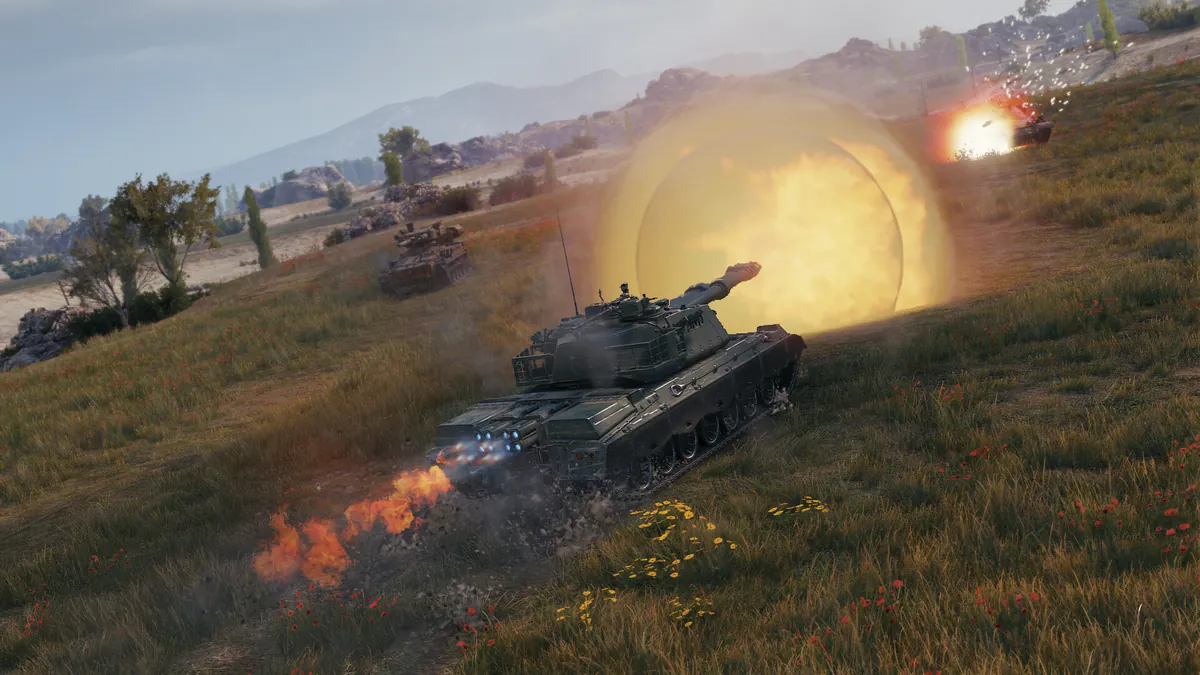
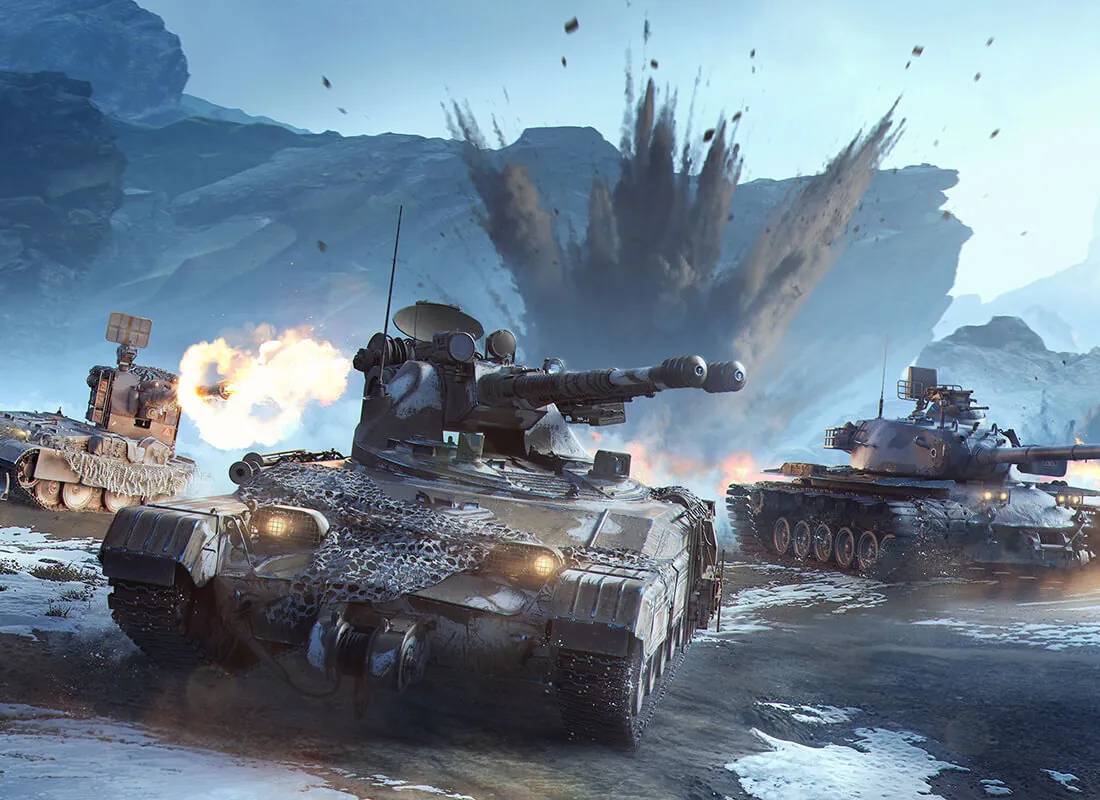
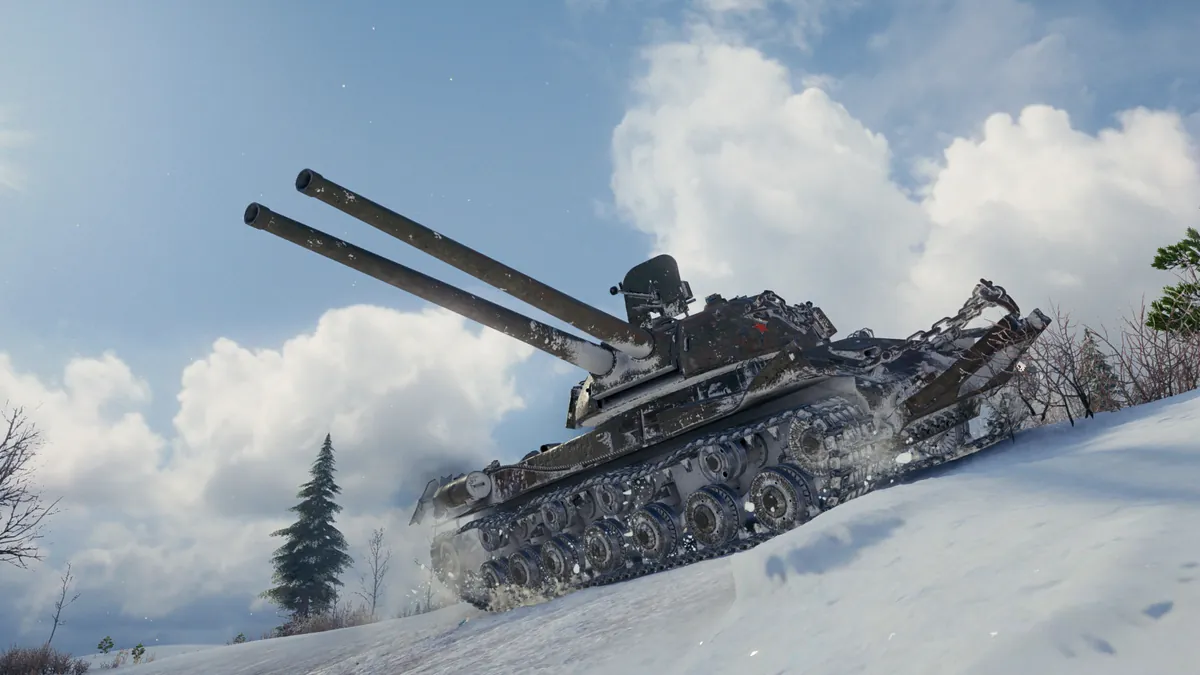
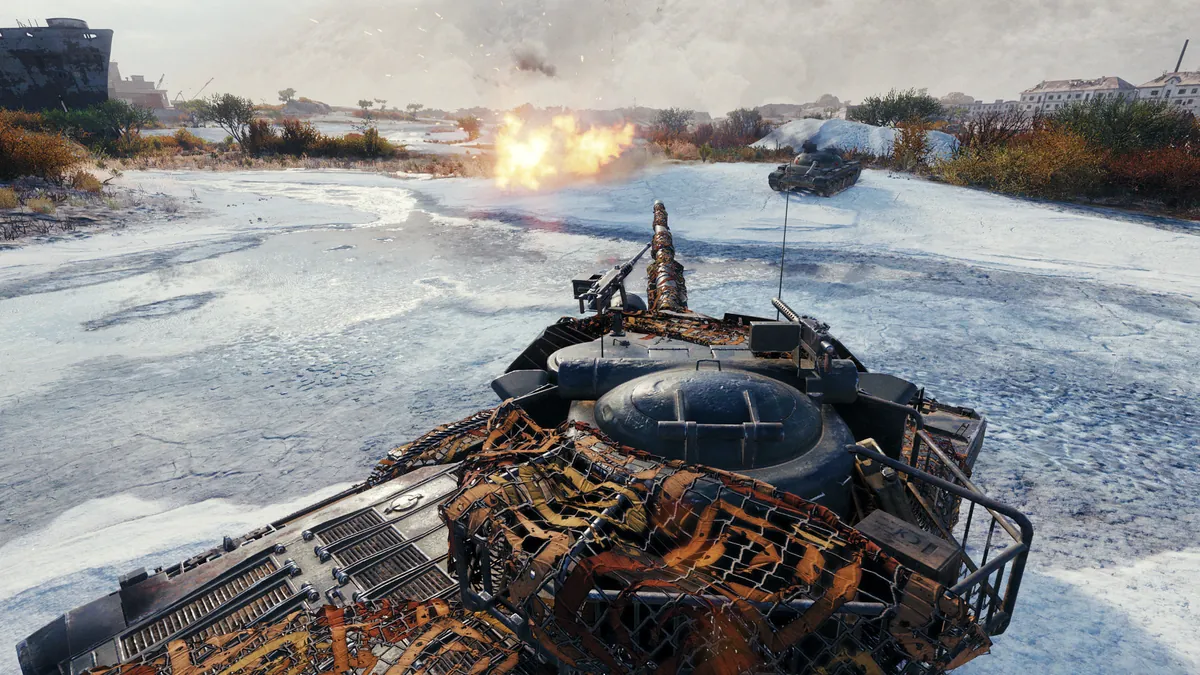
Heavies anchor the team. They hold the main corridor in cities, push the heavy flank on open maps, and soak damage so others can shoot. Most heavies are slow, and some guns hit very hard but reload slowly. You will also meet unusual heavies: double barreled tanks that fire two shells in a burst, and, since 2.4, a German line with a Shell Calibration System that adjusts shell behavior to the target.
How to play one: angle the hull, use the turret where it is strong, and stay close to cover so artillery cannot keep hitting you. Learn which of your plates bounce shells in the armor and penetration guide. A heavy that never takes a hit is not doing its job, but one that takes every hit is dead by minute four.
Tank destroyers: the strongest guns
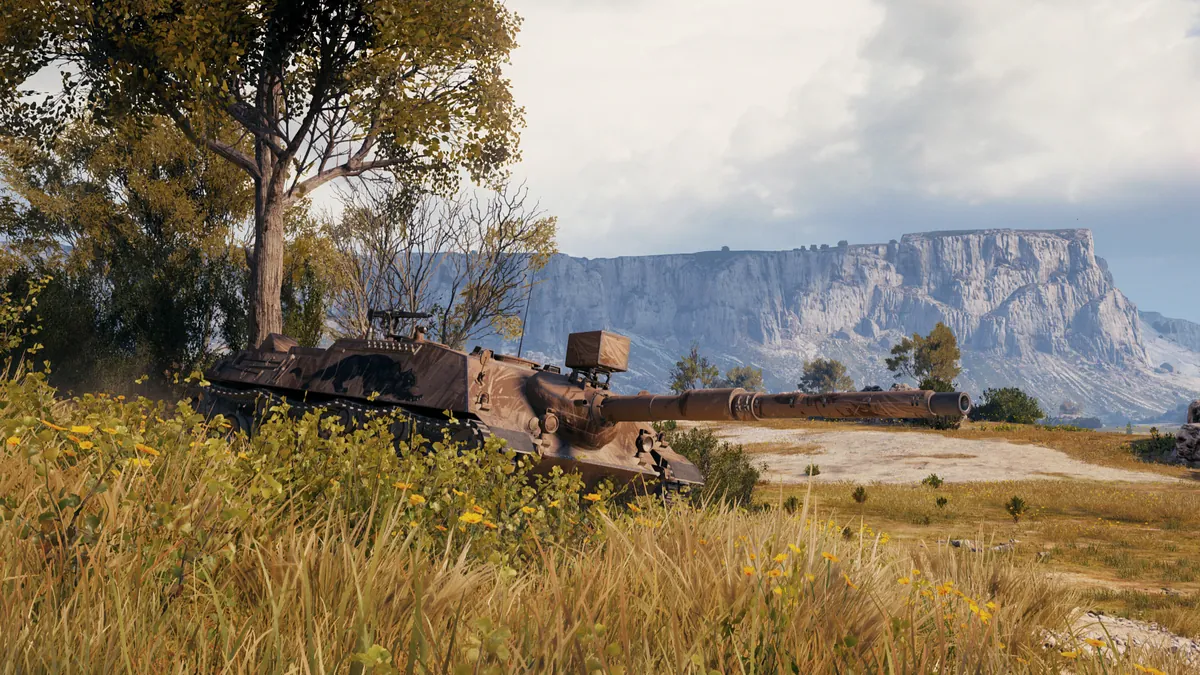
Tank destroyers carry the best guns for their tier. Many are turretless, which means limited horizontal gun movement and a hull you have to turn to aim. Some rely on camouflage and sit far back, some have thick fronts and can lead a push. They do best in the second line: behind your heavies, covering a lane where the enemy has to cross.
How to play one: find a long sight line with cover, wait for targets your team spots, and do not move after firing if nobody has seen you. Never let a fast tank get to your side. If you have a casemate gun, keep the front toward the threat at all times.
The most common tank destroyer mistake is sitting so far back that nothing comes into view. A TD at the edge of the map with no targets is a wasted slot. Find the spot where you can reach the enemy's likely push and still have a rock or a building to reverse behind. Armored tank destroyers can go further forward and hold a lane alongside the heavies; camouflage based ones should stay in the second line and let the enemy come to them.
SPGs: artillery from the back
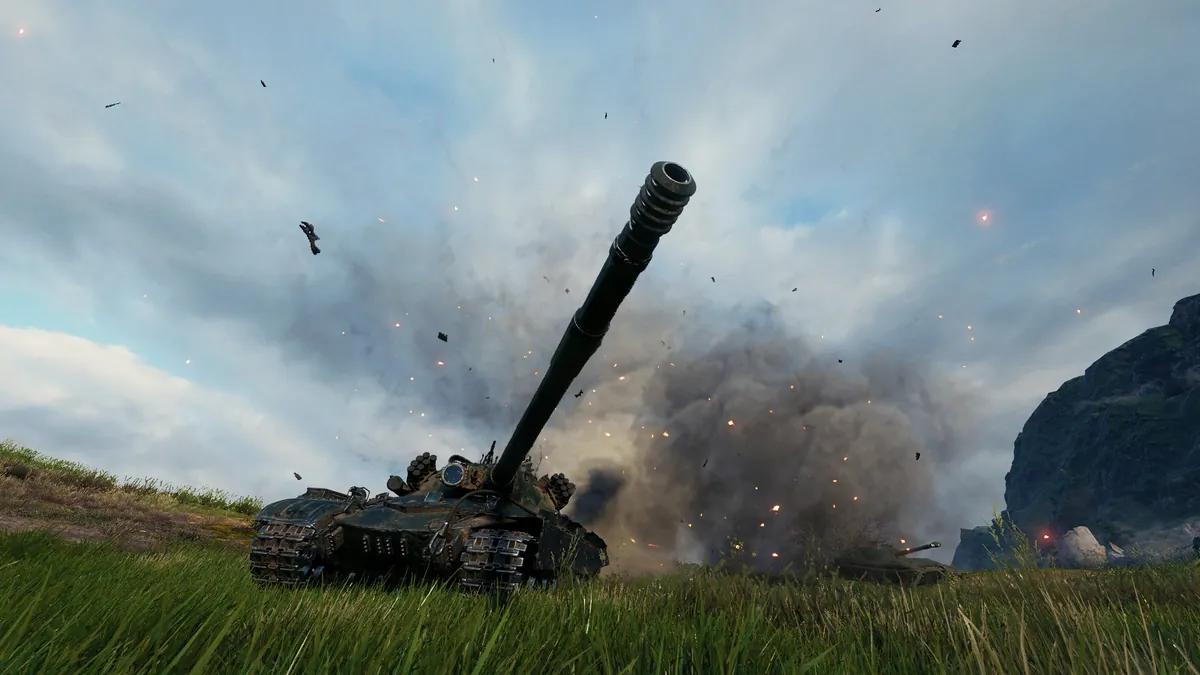
Self propelled guns fire indirectly, from a top down view, at enemies spotted by the team. Their shells land slowly and inaccurately, but they reach targets behind cover, and they stun the crews of the vehicles they hit, slowing them for a while. Crews can counter this: the Battle Tempered perk added in Update 2.2 reduces the stun effect each time the crew is stunned.
How to play one: watch the minimap, shoot heavies that are stuck in a fight and tanks that sit still, and move after a few shots so enemy counter battery does not find you. How to play against one: keep moving, use buildings and hard cover, and do not park in the open.
Artillery depends completely on teammates spotting targets, so SPG players should learn which corridors the enemy heavies use on each map and pre aim there. Shooting a tank that is already fighting your heavy helps the team far more than chasing a fast medium across open ground.
 Unleash the Lightspeed of Light Tanks (official World of Tanks channel)
Matchmaker limits by class in 2026
Update 2.0 rebuilt the matchmaker and added caps on how many light tanks, tank destroyers and SPGs a team can have, along with fewer identical vehicles per team. The later updates tightened the rules. What is confirmed by Wargaming now:
| Rule | Since | Detail |
|---|---|---|
| Max 2 SPGs per team | Update 2.3 (June 2026) | No more than two SPGs on either team. |
| Max 2 light tanks per team | Update 2.4 (September 2026) | Strict limit in battles from tier VII up. |
| Light tanks matched by role | Update 2.4 | Scout against Scout, Versatile against Versatile, Support against Support, where queue times allow. |
| Max 1 wheeled vehicle per team | Unchanged in 2.4 | Wheeled vehicles are matched against each other. |
| Light tanks in Platoons | Update 2.4 | Tier VI: max 2 per Platoon. Tiers VII to XI: max 1. |
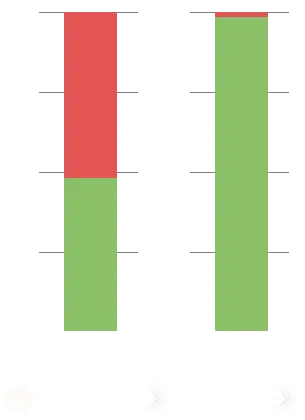
Wargaming says the light tank cap raises the share of battles with four or fewer light tanks and SPGs combined from about 80% to about 87%. Update 2.3 also reduced battles two tiers above for tier VII to IX vehicles and matched Platoons with Platoons of the same tier.
Which class should you play?
Whatever class you take, the same mistakes cost games:
- Light tanks that rush forward and die in the first minute leave the team blind.
- Mediums that join the heavies in the city leave the open flank empty.
- Heavies that camp at the back leave the main corridor to the enemy.
- Tank destroyers that sit out of range deal no damage.
- SPGs that never move get found and destroyed.
If you are new, start with a heavy or an armored tank destroyer, then add a medium, and leave light tanks and SPGs until you know the maps. If you already know the basics, pick by temperament: patient players do well in tank destroyers, players who like making calls do well in mediums, and players who read the minimap better than they aim make good Scouts. Whatever you play, learn the maps in our maps and positions guide, because every class has a set of spots it should and should not be in.
 All About Tank Destroyers (official World of Tanks channel)
FAQ
What are the tank classes in World of Tanks?
There are five: light tanks, medium tanks, heavy tanks, tank destroyers and self propelled guns (SPGs, artillery). Wheeled vehicles are fast light or medium tanks with their own matchmaker rules.
What are the light tank roles in World of Tanks?
Since Update 2.4 every light tank from tier VI to XI is a Scout, Versatile or Support. Scouts spot, Support light tanks deal damage, and Versatile ones do some of both.
How many artillery are allowed per team in World of Tanks?
At most two SPGs per team since Update 2.3 in June 2026.
How many light tanks can be on a team in World of Tanks?
Since Update 2.4, at most two light tanks per team in battles from tier VII up, and at most one wheeled vehicle per team at any tier.
What is the easiest tank class in World of Tanks?
Heavy tanks are the most forgiving because armor and health let you survive mistakes. Armored tank destroyers are a close second.